Introduction: A Walnut In Our Bacon
“I think this piece of bacon came from the pig’s tail,” my oldest daughter said, holding up a wavy end of bacon. “It’s curly, just like a pig’s tail.”
I smiled, loving her three-year-old logic. We were sitting around the breakfast table, and in the middle was a bowl of bacon pieces, leftover from last night’s supper of chopped salad.
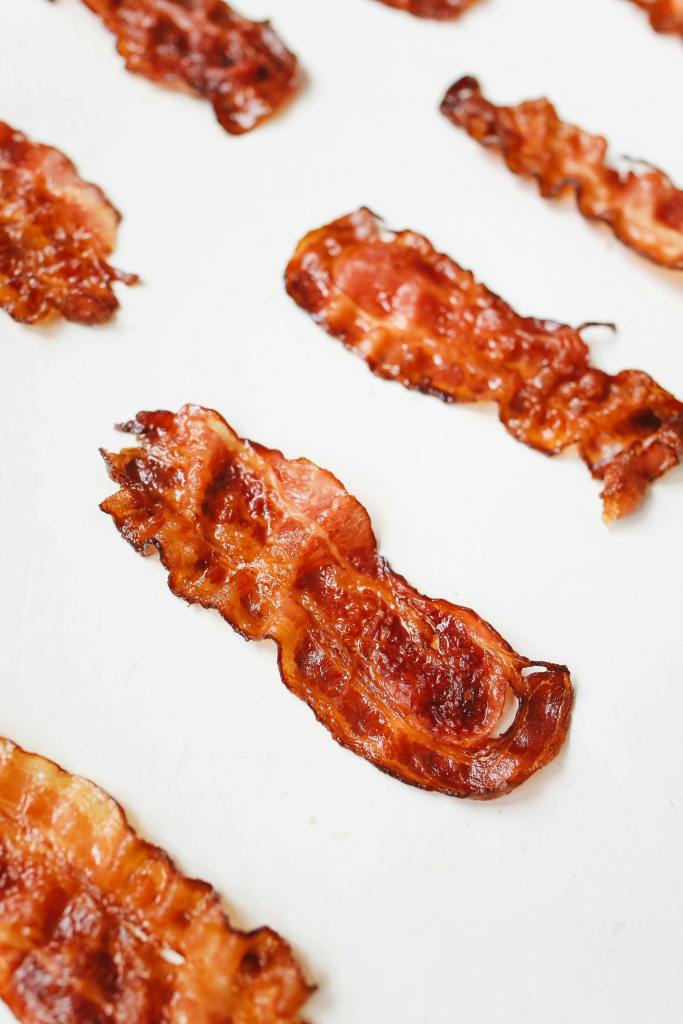
“It’s not from the tail,” I told her, “It’s from the pig’s belly.”
She accepted this and ate her curly piece, then reached for another one. “What about this one?” she asked, “What part of the pig is this one from”
“The belly,” I said. “All bacon comes from the pig’s belly.”
She ate the second piece then reached for a third, inspecting it before holding it up for me. “This one isn’t from the belly,” she said. “It’s different.”
I sighed and said again, “All bacon comes from the pig’s belly.”
“This one’s different,” she said, then cautiously took a nibble. “Eww!” she cried, tossing the errant bacon onto the table. “This one’s yucky!”
Before I could react, my much more patient wife intervened, picking up the discarded bacon and looking at it. “She’s right, this one is different,” my wife said, “It’s not bacon. It’s a walnut.”
In our cleaning up the leftovers from last night, somehow a walnut piece ended up mixed in with the bacon bits. At a quick glance, it fit in with the rest of the bowl, the tasty bacon my daughter was enjoying. But a closer look revealed that it was different. It didn’t feel the same, didn’t smell the same, and definitely didn’t taste the same. Though she did not recognize it for what it was, my daughter knew right away that it was wrong, that this foreign imposter did not belong, that it did not have the bacony goodness of the rest of her breakfast.
It was a walnut in her bowl of bacon.
In my years as a pastor and studying theology, I have come across several walnuts in our bacon. The doctrines handed down to us are good and wise, and scripture is full of truth, wisdom and beauty. But some Christian teachings and some theological perspectives I have heard are wrong. They are not biblically accurate, and they do not hold true to the words of Jesus Christ. They are walnuts in the bacon of our Christianity.
One such teaching that I have encountered repeatedly over the years pertains to God’s creation. I have heard it declared from pulpits and in Bible studies and repeated to me in conversations that God has given this earth into the hands of humanity, to do with as we wish. It is within our right, I have been told, to treat nature however we choose. I have even heard some claim that Jesus will return before our natural resources are used up or the environment becomes inhospitable, so by burning through these things faster, we are hurrying Christ’s imminent return.
This is wrong.
It is wrong for Christians to think that God’s creation is our property.
It is wrong for Christians to think that God’s creation is disposable.
It is wrong for Christians to turn a blind eye to the connectedness of creation.
It is wrong for Christians to hurt their neighbors through the abuse of creation.
Yet, under this false teaching, all of these things would be permissible.
In my experience, while this false teaching is out there and does have an impact on many lives, the majority of Christians do not believe it. However, our churches often lack right teaching when it comes to God’s creation. We acknowledge God as creator, but do not take the time to understand what it means for us to be God’s creatures, living in the midst of God’s creation and surrounded by our fellow creatures. If we want to push against false teachings and repair the damage such teachings have done, then we must start by understanding what the Bible actually says about creation and our place in it.
Established: 1776
On December 24, 1776, my great-great-great-great-great-great grandfather, Joshua Davis, purchased some land south of Aycock Swamp in eastern North Carolina. He farmed that land the rest of his life, and now, eight generations later, my family still owns that farm.
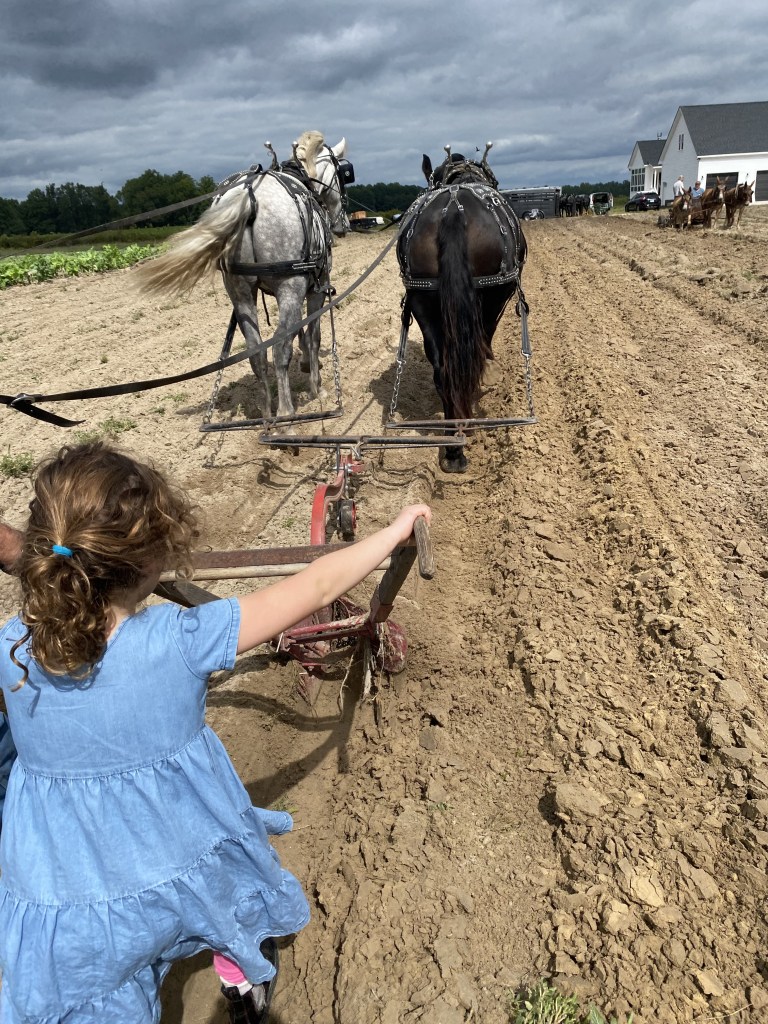
Though I have never actually lived on my family’s farm, I have always considered it home. My immediate family moved and changed houses several times in my childhood, but the farm always remained. It is where we gathered on special days and for no special reason at all. It is where I played as a child and learned to work as I grew. It is the fields and the forests I have walked my whole life. It is the place where I have been placed, and the place I return to.
Each year, on Ash Wednesday, when the ashes are smeared across my head and I am reminded, “You are from the dust, and to the dust you shall return,” I know exactly what dust I will return to. I am from the dirt of my family’s farm, and I will forever have that dirt under my fingernails (metaphorically speaking).
It is my place.
One of my professors at seminary, a man whose teachings drastically changed my life, explained the act of creating as making a place for someone other than yourself. That is what we see God doing in Genesis 1. As God separates the sky from the dry ground and the sea, God makes a place for creation to be. The sun, stars and clouds have a place. The trees, flowers and grass have a place. The birds, fish, reptiles, amphibians and mammals all have a place. And when God has placed each creature in its place, God looks at it and declares it good.
When I walk my family’s farm, I feel God’s presence in the place that has been made for me. I know alongside God: “It is good to be here.”
It is good.
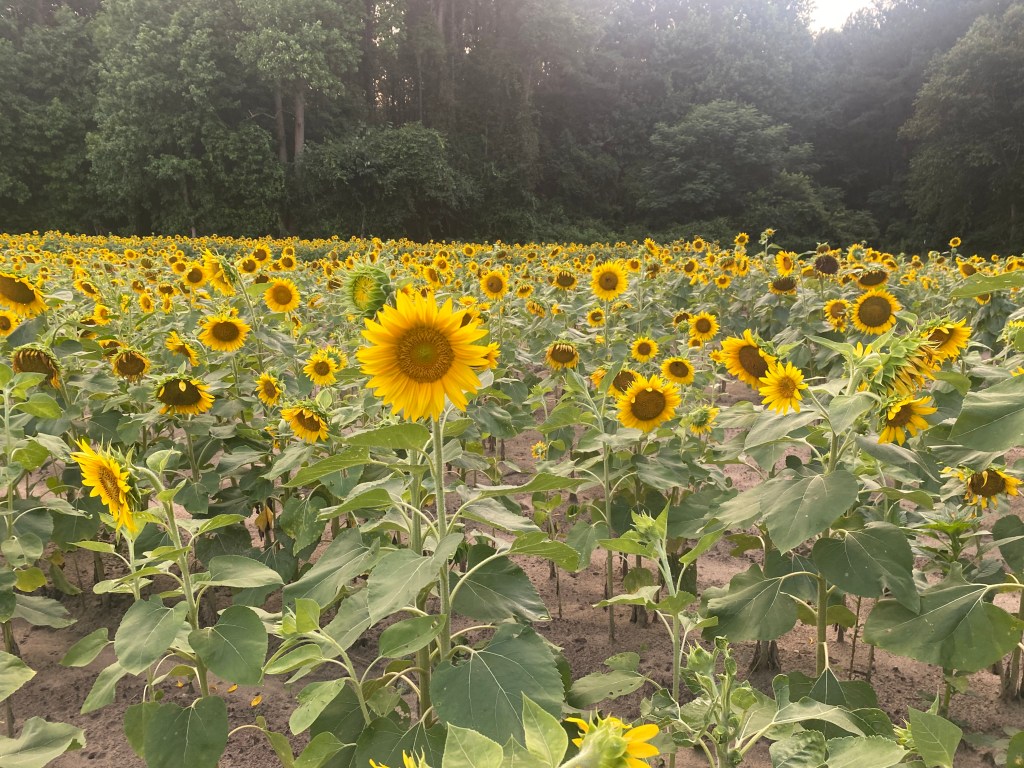
Good is a hard term to define. Our modern world does its best to quantify goodness. A place is good if it has an abundance of valuable resources, or if it can be sold for a substantial amount of money. But I cannot believe that that is what God had in mind when God looked at creation and declared it good. There must be in creation an intrinsic, non-quantifiable goodness that undermines our attempts to place economic value on it. As God’s creatures, we must recognize and cherish that goodness.
It is good to be.
God is the giver of all good things, and God gives life. Therefore, our existence must be good, not because of what we can contribute or accomplish, but because God made us. To be alive is a good thing in and of itself; it would be a shame to waste this good gift by rushing through, ignoring the goodness, seeking value in ourselves apart from the goodness of our Creator.
It would also be a shame to squander this good gift of life by declaring the existence of our fellow creatures as anything less than good. After all, God did not wait until you were born, or even until humanity was created, to declare creation good. God proclaimed all parts of creation good. It is good for your neighbor to exist. It is good for the birds at your birdfeeder and the clouds in the sky to exist. The tree outside your window is good. The raindrops hitting your umbrella are good. A lizard, a desert, the ocean currents, the changing of the seasons, yeast, honeybees and earthworms, all are good. We must see their goodness.
It is good to be here.
God has placed us in creation, and declared it to be good. We must see the goodness of being here, the goodness of this place where we are placed among others. We must see the good ways that God has connected creation, how none of us live in a bubble but are all reliant upon one another for life and the continuation of good. And we must accept the responsibility of keeping this place good, of making it better, not for ourselves alone but for all others.
Where Do We Go From Here?
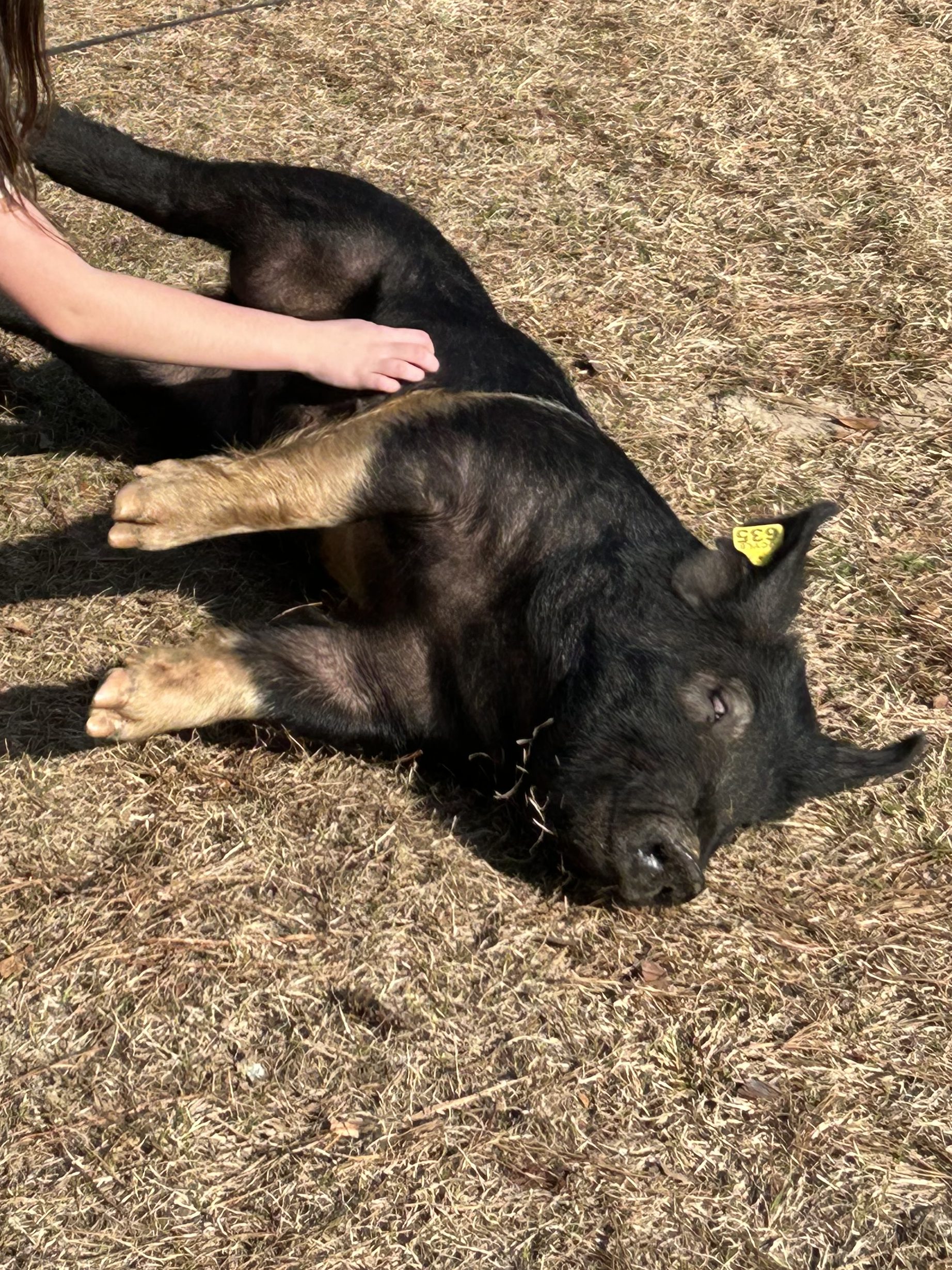
Unfortunately, humanity has taken God’s creation and stripped it of its goodness. We have made it so that it is no longer a good thing to be here for many creatures, human and non-human alike. Our fallen, sinful nature leads us to death and destruction, and that destruction is reaching never-before-seen, catastrophic levels. We have quite thoroughly violated God’s green earth.
But it is not too late.
Creation’s inherent goodness is not gone, but it needs our help. Creation needs us to understand our place in creation, and the responsibility that God has entrusted us with. Christians, of all people, ought to be the ones leading the charge, pushing and working for redemption and restoration of what God has made. We should never be satisfied until all of God’s creation can say, “It is good to be here.”
 Creator, Creature, Collards