There’s something about superheroes that appeals to me. A person with tremendous powers and abilities, who chooses to use those gifts to help others, to make the world a better place… that’s the kind of person I want to be.
I realized at an early age that I was not born on a distant planet and sent to earth where I would be superhumanly strong. I cannot move things with my mind. No radioactive spider is going to bite me. And my parents were not murdered in an alley, leaving me with billions of dollars and a revenge obsession.
But I do have a very powerful tool for changing the world. I carry it around in my wallet.
Money Is a Tool
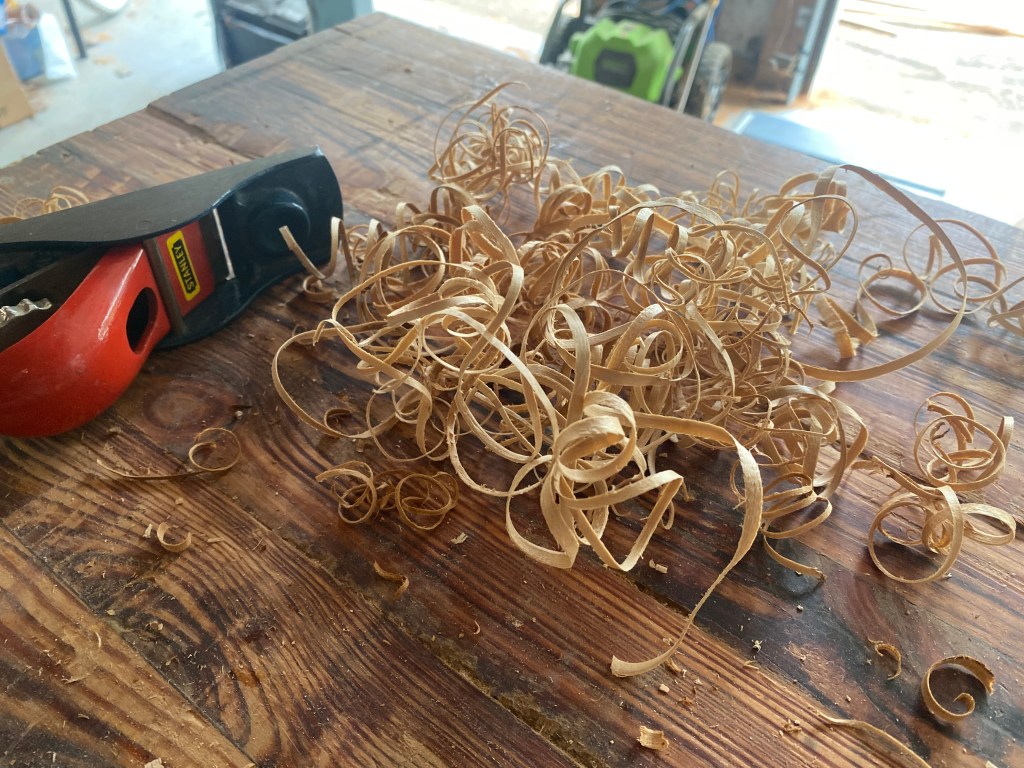
One of my favorite pastimes is woodworking, and I enjoy using older hand tools. Usually, older tools are better made.
Standing over my workbench in the garage, however, I’ve learned that the quality of the tool is not as important as the ability of the worker. The real skill is in what I can do with the tools at hand.
The role of any tool is to serve the one using the tool; the tool does what it’s told.
Money is a tool.
Money is a powerful tool. It is probably the most powerful tool you have for changing the world. And it is also often our most overlooked tool.
So let’s consider how we can (and do) use money to fight climate change.
Investments
You might have a huge stock portfolio that you keep track of daily, or a retirement account that you hope will suffice for your needs in the future. Or you might have an old sock under the mattress or a rusty jar buried in the backyard.

Our money goes where we send it, to do what we send it to do. If we stash our money under the bed or under a rock, the money will stay there and stay safe. If we send our money into the market to develop as the market does, our money will fluctuate with the market.
We seldom think of investing beyond those stipulations. We send our money away so that it will grow.
But what if we instead send our money away so that it will fight climate change?
Ideally, a company would stop doing harmful things as soon as it realizes the harm being done, but we know that is not the case. Companies exist to make money; as long as they are earning a profit, they will not stop or change.
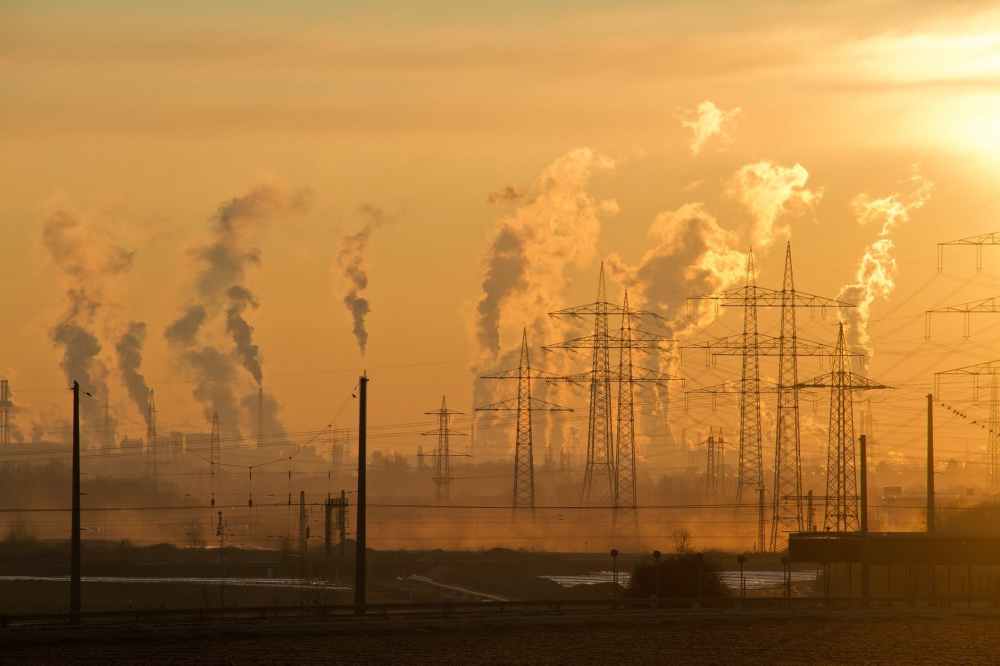
So, use your dollars to change companies. Divest from fossil fuels. Invest in clean energy and technology that will reverse climate change.
Christians, we cannot send our money off to do what it will. We must make decisions, talk to our accountants or investment managers or whoever it is, and tell them the types of business ventures we want to support, and those we do not.
Charity
When writing about the need to take action against climate change, I mentioned advocacy and the work being done by organizations on multiple levels to be a voice for creation. There are tons of them, and they are mostly non-profits in need of financial support.
So, send your money to do this good work.
However, do your due diligence. Before giving to an organization, do a little research. Don’t just read what they themselves say they do, but look into it, find out if they’re successful, or if they are part of “green washing” other organizations. And find out how much of your donation goes to the actual work.
Purchases
This is the real biggie. What are you purchasing for yourself? Do your purchases harm the environment?
Buy locally; buy to last.
We are very good at buying things without thinking about them, so I want you to start thinking about them. Think about your purchases, where they come from, how long they’ll last, etc.
A good rule of thumb is buy locally, buy to last. Do your best to shorten the distance between the place your purchase originates and you.

Start with your food. Buy local produce, local meat; support local farmers, farmers markets and restaurants. Not only will this be better for the environment, it will also help the local economy and improve your health.
Other things, it’s not quite as simple. Cars? Probably not going to find one made right here in your hometown. But don’t just look for a car you like; what is the best car for the environment that you can afford?
Break the Disposable Mentality
After graduating college, I spent a year and a half in Santa Cruz, Bolivia. One of the things about the culture that impressed me was their commitment to reuse and repair things that I would have thrown out.
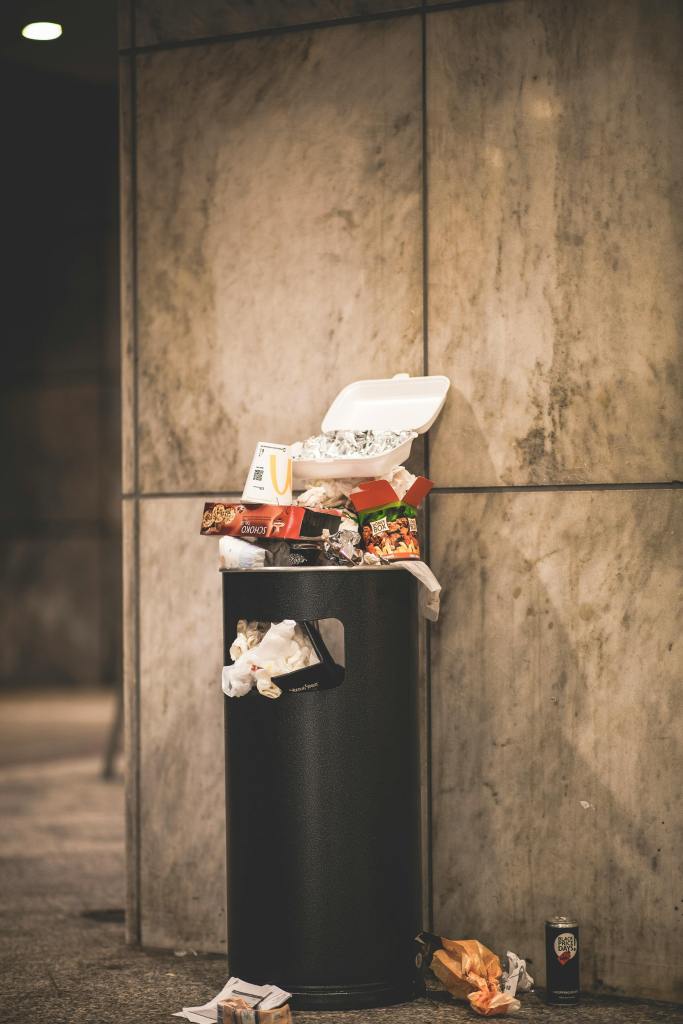
In the United States, we have a disposable mentality. We have been taught, in millions of subtle ways pushed on us daily, to buy, use, discard and buy again. We have accepted the false idea that only what is new is valuable.
Fast fashion, cheap toys and constantly changing gadgets are a blight on our society. Tons of these things end up in landfills every year.
Even when buying products that last, we often replace them before necessary. I have heard that many high-quality, reusable water bottles and cups- Stanleys, for example- are replaced after six months, in spite of having an expected lifespan of fifteen years or longer. Why? Because we want something new.
Let’s break that disposable mentality. Before buying something, consider: 1) Is this something I need? 2) Is this something I will still need in six months? Two years? Five years? 3) If I buy this thing, will it still be usable in six months? Two years? Five years?
Keep the Change
Money is a powerful tool for shaping the world, whether we intend it to be or not. Christians, we need to be intentional with our money. We need to make choices as to where and how we spend, give or invest our money, with an eye to the Kingdom of Heaven that we pray is coming on Earth.
We cannot make these decisions one time and hope for the best. Daily, we are told by the world how to use our money; daily, we must choose to use our money for good.
We must make the change, then keep the change.


 Creator, Creature, Collards